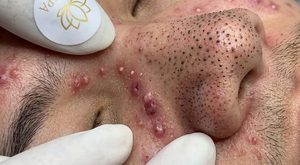
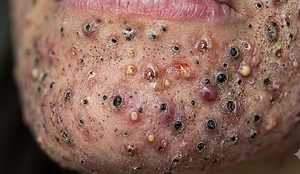
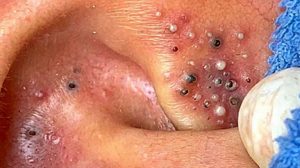
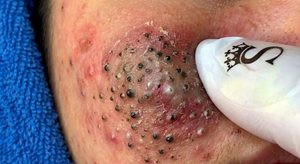
Dr. Pimple Popper is famous for removing blackheads, cysts and lipomas on camera, so people often assume she encourages squeezing at home. In interviews, she says nearly the opposite. Dermatologist Sandra Lee repeatedly tells viewers to leave deep bumps alone, treat spots early and see a professional when something is painful, growing or not improving.
This guide pulls together what Dr. Lee has said in interviews with SELF, Teen Vogue, Allure and her own SLMD Skincare site, and compares it with guidance from the American Academy of Dermatology (AAD), Mayo Clinic and Stanford Health Care. It is general information, not a substitute for a medical exam.
Quick answer: what does Dr. Pimple Popper say about popping at home?
- Her rule, quoted by Teen Vogue in 2017: “know when you pop and know when to stop.”
- Like other dermatologists, she told SELF she would say do not pop anything, but she teaches people how to do it the right way because many will do it anyway.
- Do not squeeze deep, painful cystic pimples. On her SLMD site she says, “Don’t pop a cystic pimple.”
- Do not squeeze cysts. Mayo Clinic and Stanford Health Care give the same advice, and the AAD says the same about deep painful pimples.
- Mild breakouts can often be treated at home. Severe acne or scarring needs a dermatologist.
Her advice by type of bump
Blackheads
In the SELF interview she said blackheads are easier to deal with and cause less trauma to the skin than whiteheads. Even so, she says she would rather people did not pop anything at all.
Whiteheads
According to Dr. Lee, whiteheads are harder because the skin has to be broken to get the contents out. More trauma to the skin means a higher chance of marks, which is why she tells people to be careful.
Deep cystic pimples
On her SLMD site, Dr. Lee says: “Don’t pop a cystic pimple.” She recommends seeing a dermatologist for a cortisone injection, or using a benzoyl peroxide spot treatment (up to 10% strength). The same page notes that mild to moderate breakouts can usually be treated successfully at home. Not sure which type you have? Read cystic acne vs pimple.
Cysts and lipomas
These lumps under the skin are what her TV show is known for, and they need a different approach from acne. Mayo Clinic says an epidermoid cyst can usually be left alone if it is not painful or embarrassing, and that not squeezing it helps prevent scarring and infection. If you want treatment, options include a steroid injection, incision and drainage, or minor surgery, and cysts may recur after drainage. Stanford Health Care also says it is important not to squeeze or manipulate a cyst, and notes that lipomas, which are fatty lumps, are treated by a doctor, usually with surgery.
What the AAD says about a deep, painful pimple
The AAD gives the same message: keep your hands off. Squeezing a nodule or cyst can make it more noticeable and raise the risk of infection, discoloration and scarring, especially in darker skin. Its dermatologists suggest a warm, damp washcloth on the spot for 10 to 15 minutes, three times a day, and an over-the-counter product with adapalene, azelaic acid, benzoyl peroxide or salicylic acid. A hydrocolloid patch can also protect the area, and sunscreen with SPF 30 or higher is important. If the spot does not go away, or you get several, see a board-certified dermatologist.
Treat early and keep the routine simple
In a 2020 Allure interview, Dr. Lee described three broad kinds of acne and said different ingredients suit each. She named glycolic and salicylic acids for all types, retinol for comedones (blackheads and whiteheads), and benzoyl peroxide for red pimples with pus. She also recommended simplifying a routine that has become too complicated, and being consistent, because treatments need time to work. Allure also noted that cystic acne is linked to hormones and genetics and should be seen by a dermatologist.
If you already squeezed a spot, our aftercare steps can limit the damage.
When she says to see a dermatologist
Teen Vogue quoted Dr. Lee saying that over-the-counter options such as benzoyl peroxide, salicylic acid and retinol suit milder breakouts, while deeper-seated, painful or cystic acne belongs with a dermatologist. For severe cystic acne, dermatologists can discuss prescription options, including oral medication. Dr. Lee also built the SLMD Acne System, in her words, for people who cannot see a dermatologist because of time, distance or money.
This video from the SLMD Skincare channel explains what a dermatologist acne consultation involves:
Some of her recommended products come from her own line. We cover that in our neutral SLMD Skincare review, and you can read more about her background in who is Dr. Pimple Popper.
Frequently asked questions
Does Dr. Pimple Popper recommend popping pimples?
Not really. She told SELF that, like all dermatologists, she would say do not pop anything, but she tries to educate people on how to do it the right way, because many will do it anyway.
Should I pop a cystic pimple?
No. Dr. Lee says do not pop a cystic pimple. A dermatologist can treat it, for example with a cortisone injection.
Can I squeeze a cyst or lipoma at home?
No. Mayo Clinic and Stanford Health Care both advise against squeezing a cyst, and lipomas are treated by a doctor. See a doctor if a lump is painful, growing or inflamed.
What should I do instead of popping?
The AAD suggests a warm damp washcloth and an over-the-counter acne ingredient such as benzoyl peroxide or salicylic acid, and seeing a dermatologist if the spot is deep and painful.
When to see a dermatologist
See a dermatologist for deep painful bumps, acne that leaves marks or scars, and any lump that changes. This article is general information, not medical advice, and Video Spotter is not affiliated with Dr. Sandra Lee.