Not every bump is the same. Some spots are small, shallow and gone within a week. Others are deep, painful and hang around for a month. Knowing which one you have changes how you should treat it, and whether home care is enough.
This guide explains the difference between a regular pimple and cystic acne, how to recognize each one, and why the deeper type needs a different approach from a dermatologist.
Quick answer: cystic acne vs pimple
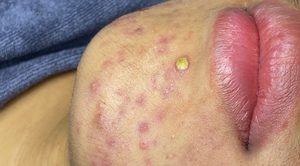
- A regular pimple is a surface bump, often with a visible white or dark center, that heals in about a week.
- Cystic acne is a deep, tender, swollen lump under the skin with no clear head. It can last weeks.
- Pimples usually respond to over-the-counter products. Cystic acne usually needs prescription treatment.
- Never squeeze deep bumps. They cannot be drained at home and often scar.
How pimples form
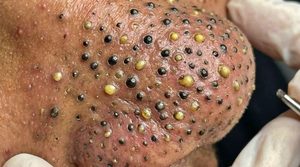
All acne starts the same way. A pore fills with oil and dead skin cells, bacteria on the skin multiply, and the body responds with inflammation. In a mild breakout, this stays near the surface. You may see blackheads, whiteheads, or small red bumps with a white tip, often called papules and pustules.
These can be treated with benzoyl peroxide, salicylic acid or a retinoid. If you are not sure where to begin, read our routine for acne-prone skin.
What makes acne cystic?
In severe inflammatory acne, the blocked pore ruptures deep under the skin. The surrounding tissue reacts strongly, forming a large, painful bump. Dermatologists use the terms “nodular” and “cystic” for deep lesions. They are often 5 mm or larger, feel firm or fluid-filled, and can last for several weeks.
Typical signs of cystic acne
- Large, swollen lumps that are tender to touch
- No visible head, or a head that never fully forms
- Redness that spreads around the area
- Bumps that come back in the same spot
- Marks or scars after they heal
- Often on the jawline, chin, cheeks and back
Side-by-side comparison
| Feature | Regular pimple | Cystic acne |
|---|---|---|
| Depth | Near the surface | Deep under the skin |
| Size | Small | Large (often over 5 mm) |
| Head | Usually yes | Usually no |
| Pain | Mild | Often significant |
| Healing time | 3 to 7 days | Weeks |
| Scarring risk | Low if not picked | High |
| Treatment | Over-the-counter | Usually prescription |
What causes cystic acne?
Hormones are a major driver. Androgens raise oil production and can alter how skin cells shed, which is why cystic acne often appears around puberty, around the menstrual cycle, and with conditions such as PCOS. Genetics also matter: if a parent had severe acne, you are more likely to. Stress and certain medications can worsen it, but they are rarely the only cause.
How cystic acne is treated
Over-the-counter products can help the surface, but they rarely reach deep lesions. A dermatologist may recommend:
- Topical retinoids combined with benzoyl peroxide or a topical antibiotic
- Oral antibiotics for a limited time to reduce inflammation
- Hormonal therapy such as combined oral contraceptives or spironolactone for suitable patients
- Isotretinoin for severe or scarring acne, under close medical supervision
- Corticosteroid injections to quickly flatten a single painful cyst
Treatment depends on your age, health and medical history, so a professional assessment is essential.
What not to do with a deep bump
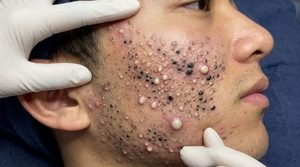
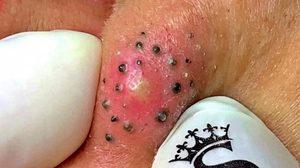
Resist the urge to squeeze. There is nothing at the surface to remove, and pressure can rupture the lesion further into the skin, leading to more inflammation and scarring. If you want to understand more about why, see our article on why you should not pop pimples. Even professionally filmed content such as a controlled extraction video is carried out on a different type of lesion, and it does not apply to deep painful cysts.
For temporary comfort, a warm compress for 10 minutes a few times a day can ease tenderness. Avoid ice directly on the skin for long periods, and avoid harsh acids on a sore, inflamed area.
Can cystic acne be prevented?
You cannot fully prevent hormone-driven acne, but you can lower the risk of flares with a consistent routine, sun protection, and early treatment. Starting prescription care sooner rather than later is the best way to protect against scars. Once the acne has settled, you can address the leftover marks as described in how to fade acne marks.
Living with deep acne
Deep acne can affect confidence, sleep and mood, and that is a valid reason to seek treatment, not a vanity concern. Keep a simple routine with a gentle cleanser, an oil-free moisturizer and sunscreen, and avoid trying a new product every few days. Take photos in the same light every two weeks so you can see real progress, which is often hard to notice in the mirror.
Frequently asked questions
Can a cyst go away on its own?
Many do, but it can take weeks, and the risk of marks is higher than with regular pimples. A dermatologist can shorten the process.
Is cystic acne caused by bad hygiene?
No. It is mainly caused by hormones, genetics and inflammation, not by dirt.
Can I treat cystic acne with over-the-counter products?
You can use them for maintenance and surface spots, but deep cysts generally need prescription treatment for good control.
How do I know if a bump is acne or something else?
Boils, ingrown hairs and epidermoid cysts can look similar. If a lump is very painful, rapidly growing, or does not heal, get it checked.
When to see a dermatologist
See a dermatologist if you have deep, painful bumps that last more than two weeks, new scars forming, or acne that affects your confidence or daily life. Seek urgent care if a bump becomes extremely painful, hot, or is accompanied by fever. This article is general information, not personal medical advice.