Ask ten people what causes acne and you will hear ten different answers: chocolate, greasy food, dirty pillowcases, not enough water, too much stress. Some of these have a grain of truth, and many are plain myths. Because acne is so common, myths spread quickly and lead people to spend money and time on things that do not help.
This article sorts the most common claims about diet, sleep, stress and habits into what research supports, what is unclear, and what is simply false.
Quick answer: what really causes acne?
- Acne is mainly caused by hormones, oil production, clogged pores, inflammation and genetics.
- Diet may play a role for some people, particularly high-sugar diets and possibly skim milk, but it is rarely the main cause.
- Stress and poor sleep can make acne worse, but do not cause it on their own.
- Dirty skin and greasy food are not the cause, and scrubbing harder makes things worse.
- The most effective approach is a consistent routine and, when needed, medical treatment.
Myth 1: Chocolate and greasy food cause acne
Eating a burger does not make oil rise to your face. Greasy food in your diet is different from oil on your skin. Large studies have not found a direct link between oily food and acne. Chocolate has been studied, with mixed results. Some studies suggest a connection, possibly because of sugar and milk content rather than cocoa itself, but the evidence is not strong.
Myth 2: Diet has nothing to do with it
This is also not quite true. Research suggests that diets with a high glycemic load (white bread, sugary drinks, sweets) may be associated with more acne in some people, and some studies link skim milk intake with higher rates of acne. The effect seems modest, and it differs from person to person. Dermatologists generally do not recommend extreme diets. If you notice a pattern, try reducing a food for a month and see whether it makes a difference, but do not cut out whole food groups without advice.
Myth 3: Drinking more water clears your skin
Staying hydrated is good for your health, but there is no strong evidence that drinking extra water treats acne. Moisturizer and a healthy skin barrier are more relevant. See our acne-prone routine for what makes a difference.
Myth 4: Acne is caused by being dirty
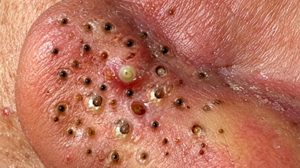
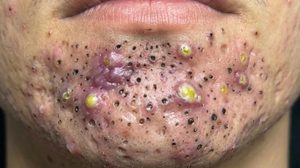
Acne is not caused by dirt. Blackheads are dark because of oxidation, not because the skin is unclean. Washing too often, or using harsh scrubs, removes protective oils and increases irritation. Two gentle washes a day, plus one after sweating, is enough. For a deeper look at blackheads, read how to get rid of blackheads.
Myth 5: Stress causes acne
Stress does not create acne from nothing, but it can worsen existing acne. When you are stressed, the body releases hormones such as cortisol, which can increase oil production and inflammation. Stress also affects habits: people touch and pick at their skin more, and sleep worse. Managing stress with exercise, time outdoors and routine helps overall health and may calm flare-ups.
Myth 6: Sleep has no effect on skin
Sleep is when the body repairs itself, and poor sleep is linked with higher stress hormones and inflammation. The research on sleep and acne specifically is limited, but getting 7 to 9 hours is a sensible habit for general health and skin. Changing pillowcases once a week can also help, because they collect oil and product.
Myth 7: Sun and tanning clear acne
A tan can hide redness for a short time, but UV exposure damages skin, thickens the outer layer and can trigger a rebound flare. It also darkens acne marks. Use sunscreen. Our guide to sunscreen for acne-prone skin explains how.
Myth 8: Popping pimples makes them go away faster
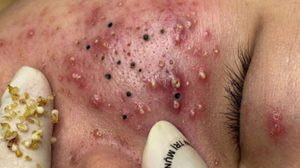
It usually makes them last longer and leave marks. See why you should not pop pimples for the details. If you like watching professional skin care content, you can see how trained professionals work, but leave extraction to them.
Myth 9: Toothpaste, lemon juice and home remedies work
They can burn or inflame skin. Stick with proven ingredients such as benzoyl peroxide, salicylic acid, adapalene and azelaic acid.
Myth 10: Makeup always causes breakouts
Some products can clog pores, but many modern formulas are non-comedogenic. The more important point is to remove makeup thoroughly each night and clean your brushes regularly.
What does help
- A gentle cleanser, moisturizer and daily sunscreen
- Targeted acne treatment: retinoids, benzoyl peroxide or salicylic acid
- A balanced diet with plenty of vegetables, fruit and protein, with fewer sugary drinks and snacks
- Regular exercise, followed by washing off sweat
- Consistent sleep and ways to manage stress
- Professional help when over-the-counter treatments do not work
How to test whether food affects your skin
If you suspect a trigger, change only one thing at a time. Keep a simple note of what you eat, your sleep and your skin for four weeks. Then reduce one suspected food, such as sugary drinks, for another four weeks and compare. Skin changes slowly, so one bad day of eating rarely explains a new pimple two days later.
Frequently asked questions
Does dairy cause acne?
Some studies link milk, especially skim milk, with acne, but the effect is small and varies by person. Whey protein supplements have also been linked to flare-ups in some reports.
Is acne hereditary?
Genetics play a strong role. If your parents had severe acne, you are more likely to as well.
Can supplements cure acne?
No supplement has been proven to replace proper acne treatment. Talk to a doctor before taking high-dose vitamins, including zinc or vitamin A.
Does exercise help or hurt acne?
Exercise is good for general health and stress, but sweat and tight gear can trigger breakouts. Shower and change clothes soon after.
When to see a dermatologist
If acne is painful, leaves marks or scars, or affects your mood, see a dermatologist rather than trying to fix it with diet alone. Treatment is available and effective. This article is general information, not personal medical advice.