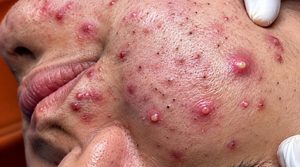
Retinoids are the backbone of modern acne treatment. These vitamin A derivatives are used by dermatologists around the world, not only to clear breakouts but also to prevent them and to improve skin texture and tone over time.
They also have a reputation for being harsh. That reputation is earned only when they are used the wrong way. This beginner guide explains the different types, how to start without irritation, and what to expect in the first three months.
Quick answer: should you use a retinoid for acne?
- Yes, for most people with blackheads, whiteheads and mild to moderate acne, a retinoid is the most effective long-term treatment.
- Adapalene 0.1% is available over the counter in many countries and is the best place to start.
- Start two or three nights per week with a pea-sized amount, then increase slowly.
- Expect dryness and a possible adjustment period for 4 to 6 weeks, and results by 12 weeks.
- Use sunscreen every day. Do not use oral or prescription retinoids if pregnant, and ask your doctor about any topical use.
What retinoids do for acne
Retinoids bind to receptors in skin cells and normalize how those cells grow and shed. In acne-prone skin, cells shed abnormally and stick together, forming plugs. Retinoids stop this process early, which is why they prevent new blackheads and whiteheads. They also reduce inflammation and help fade marks left by past breakouts. Because they work at the root of the problem, they are often called the foundation of an acne routine, as described in our routine for acne-prone skin.
Types of retinoids
Adapalene
A third-generation retinoid designed for acne. It is generally better tolerated than older prescription retinoids and is available as a 0.1% gel or cream without a prescription in many countries. A 0.3% version is available by prescription.
Tretinoin
The classic prescription retinoid, with decades of evidence. It is highly effective but can be more irritating. Doctors usually prescribe it in low strengths and increase gradually.
Tazarotene and trifarotene
Stronger prescription options, used when other retinoids are not enough.
Retinol and retinal
Over-the-counter cosmetic ingredients that convert to the active form in the skin. They are gentler and slower. They can help with texture and early signs of aging, but for active acne, adapalene has better evidence.
Oral isotretinoin
A powerful prescription medication for severe or scarring acne, taken only under strict medical supervision. It must never be used without a doctor, and it is not safe in pregnancy.
How to start step by step
- Patch test for two or three days.
- Cleanse your face at night and wait until it is fully dry.
- Apply a pea-sized amount for the whole face. Avoid corners of the nose, mouth and eyes.
- Use two nights per week for the first two weeks, then three, then every other night, and finally nightly if comfortable.
- Moisturize afterwards. Some people prefer the “sandwich method”: moisturizer, retinoid, moisturizer.
- Wear sunscreen every morning. See sunscreen for acne-prone skin.
What to expect in the first weeks
Dryness, flaking, mild redness and tightness are common during the first 2 to 6 weeks. Some people notice more breakouts, because retinoids bring existing clogged pores to the surface faster. This is often called “purging.” It usually settles by week 6 to 8. If your skin burns, swells or becomes very red, stop and speak to a pharmacist or dermatologist. A longer break and a slower restart often solves the problem.
Combining retinoids with other products
- Benzoyl peroxide: a classic combination, but irritating. Use at different times of day to start. See benzoyl peroxide for acne.
- Salicylic acid and other exfoliants: use on alternate nights, not the same evening.
- Niacinamide: a helpful partner that supports the barrier.
- Moisturizer: essential, especially at the beginning.
Common mistakes
- Using too much. A pea-sized amount is enough for the whole face.
- Applying to damp skin, which increases penetration and irritation.
- Combining with strong acids, scrubs and peels at the start.
- Giving up too soon. Most people need 12 weeks for a fair verdict.
- Skipping sunscreen.
Pregnancy and breastfeeding
Oral retinoids are strictly not safe in pregnancy, and doctors generally advise avoiding topical retinoids too. If you are pregnant, planning a pregnancy or breastfeeding, speak to your doctor about which acne products are suitable. Azelaic acid is one option that is often discussed.
What a typical timeline looks like
- Weeks 1 to 2: dry, slightly tight skin. Apply only two nights a week.
- Weeks 3 to 6: possible flaking and temporary extra spots. Moisturize and stay patient.
- Weeks 6 to 12: fewer new breakouts and smoother skin.
- After 3 to 6 months: clearer skin and improvement in marks and texture. Continue as maintenance.
Related video
To see the kind of congestion retinoids help prevent, you can watch this professional extraction video.
Frequently asked questions
Is retinol as good as adapalene for acne?
Retinol is gentler but less proven for acne. Adapalene has stronger clinical evidence and is the better first choice for breakouts.
Should I apply retinoid only on spots?
No. Apply it to the whole area prone to breakouts. It prevents new spots rather than only treating existing ones.
Can I use a retinoid in the morning?
Night use is preferred because retinoids can be degraded by light, and the skin is more sun-sensitive. Adapalene is relatively light-stable, but most routines still place it at night.
How long should I use a retinoid?
Many people use one long-term as maintenance, because acne often returns after stopping.
Will a retinoid help blackheads?
Yes. It is one of the best options. See how to get rid of blackheads.
When to see a dermatologist
If you have deep, painful acne, scarring, or no improvement after 12 weeks of an over-the-counter retinoid, book a dermatologist. Prescription retinoids and other treatments may be more appropriate. This article is general information, not personal medical advice.