Benzoyl peroxide has been used for more than 60 years, and it is still one of the most effective over-the-counter acne ingredients. It is available in washes, gels, creams and spot treatments, in strengths from 2.5% to 10%.
Many people use it wrongly: too strong, too often, or without moisturizer. This guide explains how it works, which strength to pick, how to apply it, and how to avoid bleached towels and dry skin.
Quick answer: does benzoyl peroxide work for acne?
- Yes. It kills acne-causing bacteria and reduces inflammation, making it ideal for red pimples.
- 2.5% to 5% works nearly as well as 10% with much less irritation.
- Start once a day, or a few times a week, and always moisturize.
- It can bleach hair, towels and pillowcases, so use white linens.
- Bacteria do not become resistant to it, which makes it a useful partner to antibiotics prescribed by doctors.
How benzoyl peroxide works
The bacterium Cutibacterium acnes lives on skin and thrives in clogged pores. Benzoyl peroxide releases oxygen in the pore, which is hostile to this bacterium. It also helps shed dead skin cells and lowers inflammation. This is why it is excellent for red bumps and pustules, and less effective for pure blackheads, where a BHA or a retinoid is usually better. For that, see salicylic acid for acne.
Which strength should you choose?
Research and dermatology guidance suggest that lower strengths are an excellent starting point.
- 2.5%: the best starting point for sensitive or dry skin.
- 5%: a good middle ground for most people.
- 10%: may be useful for stubborn acne on the back or chest, but it is more likely to irritate the face.
Which form is best?
Wash
A benzoyl peroxide wash is a gentle introduction, especially for body acne. Leave it on the skin for 30 to 60 seconds before rinsing. This is known as short contact therapy and can make it tolerable even for sensitive skin.
Gel or cream
Leave-on products work longer and are more effective, but irritation is more likely. Use a pea-sized amount for the whole face, not only on spots.
Spot treatment
Good for the occasional pimple, but it does not stop new ones forming.
How to use benzoyl peroxide
- Cleanse with a gentle cleanser and pat the skin dry.
- Apply a thin layer to the affected area. Keep away from eyes, lips and nostrils.
- Start once every other day for the first week, then daily if tolerated.
- Follow with a lightweight moisturizer.
- Apply sunscreen in the morning. See sunscreen for acne-prone skin.
Combining with other treatments
Benzoyl peroxide is often combined with adapalene in prescription and over-the-counter products. This combination attacks acne from two sides and is more effective than either alone. But it can also be drying. Many people do best using benzoyl peroxide in the morning and adapalene at night. Our guide to retinoids for acne explains the night-time side.
One tip: do not use benzoyl peroxide at the same time as tretinoin without guidance, because it can degrade some formulations. Check with your doctor or pharmacist.
Managing side effects
- Dryness and peeling: reduce frequency, use a richer moisturizer, and apply a moisturizer first as a “buffer”.
- Redness and stinging: switch to a lower strength or a wash.
- Bleaching: use white towels, pillowcases and washcloths. Let the product dry fully before dressing or lying down.
- Allergy: rare, but swelling, blistering or intense itching mean you should stop and consult a doctor.
Is it safe for all skin types?
Most skin types can use it, but people with very sensitive skin, eczema or rosacea should speak to a doctor first. In darker skin tones, irritation may lead to dark marks, so start gently and avoid overuse. For marks that do appear, see how to fade acne marks. Pregnant and breastfeeding people should ask their doctor before using any acne treatment.
How long does it take?
Inflamed spots often look calmer within 2 to 4 weeks. Full results typically appear around week 8 to 12. Keep using it, because acne returns when treatment stops.
Benzoyl peroxide for body acne
For acne on the back, chest or shoulders, a benzoyl peroxide wash of 5% to 10% is a practical choice. Apply it in the shower, leave it on for a minute or two, and rinse well. Use white towels and wear old shirts, as the product can bleach colored fabric. Moisturize afterwards, and consider switching to a lower strength if the skin becomes irritated.
Storing and choosing the product
Benzoyl peroxide can break down in heat and light, so store it in a cool place with the cap closed tightly. Choose a fragrance-free formula and avoid products that combine it with many other ingredients if you are sensitive. Check the expiry date, since older products lose strength.
Related video
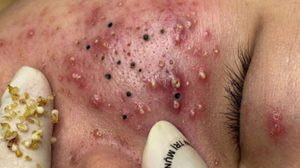
To see how a professional handles a stubborn, inflamed area, you can watch this extraction video. It is a calm, controlled example and not a how-to for home use.
Frequently asked questions
Can I use benzoyl peroxide every day?
Yes, once your skin has adapted. Start slowly and monitor dryness.
Does benzoyl peroxide cause purging?
It does not typically cause a purge, but any new treatment can bring a temporary adjustment period.
Can I leave it on overnight?
Leave-on gels are designed to stay on, but check the product label. For washes, rinse off as directed.
Why is my skin red after using it?
Mild redness is a sign of irritation. Use less, apply moisturizer, or switch to a lower strength.
Does it work for blackheads?
Only partly. It is best for inflamed spots. For blackheads, add a BHA or retinoid.
When to see a dermatologist
If your acne is painful, leaves scars, or does not improve after 8 to 12 weeks of consistent use, see a dermatologist. This article is general information, not personal medical advice.