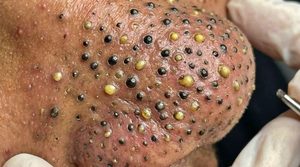
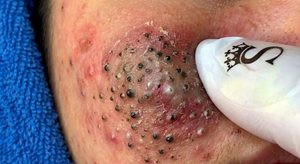
Salicylic acid is one of the most widely used acne ingredients in the world. You will find it in cleansers, toners, gels, pads and spot treatments, usually at a strength between 0.5% and 2%. It is gentle enough for daily use for many people, and it is especially useful for blackheads, whiteheads and rough, congested skin.
This guide explains how salicylic acid works, how to choose a product, how often to use it, and what to avoid so you get results without irritation.
Quick answer: is salicylic acid good for acne?
- Yes, it is a proven over-the-counter treatment for mild to moderate acne, especially clogged pores.
- It is a beta hydroxy acid (BHA) that dissolves oil and loosens dead skin inside the pore.
- Typical strength is 0.5% to 2%. Start low and use it every other day.
- It works best on blackheads, whiteheads and small bumps, less so on deep painful acne.
- Always use sunscreen in the morning, and ask a doctor before use if you are pregnant or have a salicylate allergy.
How salicylic acid works
Most acne starts with a clogged pore. Salicylic acid is oil-soluble, which means it can enter the oily environment of the pore and work from the inside. It breaks the bonds between dead skin cells, helping the plug loosen and clear. It also has mild anti-inflammatory properties, so it can calm redness.
This is different from alpha hydroxy acids such as glycolic or lactic acid, which are water-soluble and mainly work on the skin surface. For more on these, see our guide to safe exfoliation.
What acne types respond best?
- Blackheads: very good. See how to get rid of blackheads.
- Whiteheads: good, especially with a retinoid.
- Small red pimples: moderate. Pair with benzoyl peroxide if needed.
- Deep cystic bumps: limited effect, because it cannot reach deep lesions.
Choosing a product
Cleanser (0.5% to 2%)
Easy to add to a routine, but contact time is short, so it is the mildest option. Good for beginners and for body acne.
Toner or lotion (0.5% to 2%)
Leave-on products allow longer contact with the pore and are typically more effective. Apply after cleansing with a cotton pad or by hand.
Gel or serum (1% to 2%)
Often the best choice for persistent blackheads. Apply a thin layer to the T-zone or any area that clogs.
Spot treatments
Small, targeted products for single pimples. They are useful, but they do not prevent new spots on their own.
How to use it step by step
- Patch test on a small area for two or three days.
- Start every other day after cleansing, on dry skin.
- Apply a thin layer to the areas you usually get blackheads and breakouts.
- Follow with moisturizer to reduce dryness.
- Increase gradually to once daily, or twice a day if your skin tolerates it.
- Use sunscreen every morning.
Can you combine it with other ingredients?
Yes, with care. Niacinamide and hyaluronic acid pair well with salicylic acid. Using it together with a retinoid or benzoyl peroxide on the same night can cause dryness, so alternate nights at first. Avoid stacking several exfoliating acids, scrubs and strong peels in one routine. A calmer way to build a plan is shown in our routine for acne-prone skin.
Side effects and how to manage them
Common effects include dryness, tightness, mild peeling and stinging, especially in the first two weeks. To reduce them, use less often, apply a moisturizer, and avoid other exfoliants for a while. Stop using the product if you experience swelling, hives, severe burning or blistering.
Salicylic acid is related to aspirin. People with an aspirin or salicylate allergy should avoid it. During pregnancy and breastfeeding, high-strength peels and large-area use are usually avoided, and low-strength products are often considered acceptable, but you should confirm with your doctor.
Does it work on dark spots and texture?
Salicylic acid helps with rough texture and can lessen post-acne marks over time by promoting renewal, but it is not the strongest option for marks. For fading, see how to fade acne marks.
How long does it take?
You may see smoother skin within two to four weeks. Blackheads typically look much better in six to twelve weeks. Consistency matters more than strength.
Salicylic acid in the body routine
Salicylic acid is not only for the face. Body washes and sprays with 2% salicylic acid are useful for acne on the back, chest and shoulders. Leave the wash on for a minute before rinsing, shower soon after workouts, and wear loose, breathable fabrics. The skin on the body is thicker, so it generally tolerates more frequent use.
Related video
If you want to see how clogged pores are cleared by a trained professional, watch this extraction video. It shows why home treatment with BHA is a gentler first step.
Frequently asked questions
Can I use salicylic acid every day?
Many people can once their skin adapts. If your skin feels tight or looks red, reduce frequency.
Should I use it morning or night?
Either works. If you use a retinoid at night, salicylic acid in the morning is a common arrangement, followed by sunscreen.
Is 2% better than 0.5%?
Not always. Higher strength can be more effective for some, but it is also more irritating. The best strength is one you can use regularly.
Will it dry out oily skin?
It can dry the skin if overused. A light moisturizer afterwards keeps the barrier healthy.
Does salicylic acid shrink pores?
It cannot change pore size, but it clears the buildup that makes them look larger. See our pore guide.
When to see a dermatologist
If acne is painful, widespread, leaves marks or does not improve after 8 to 12 weeks, see a dermatologist. Prescription treatments may be needed. This article is general information, not personal medical advice.