Few skin concerns cause as much frustration as visible pores. Many people spend years searching for a product that will “shrink” or “close” them. The honest answer is more nuanced: you cannot change the size you were born with, but you can make pores look much less noticeable.
This guide explains why pores look large, which habits and ingredients truly help, and which popular tips are a waste of time.
Quick answer: how to make pores look smaller
- Pores do not open and close, and you cannot permanently shrink them.
- Keep them clear with salicylic acid (BHA) and a retinoid so they do not stretch and darken.
- Control oil with niacinamide and lightweight products.
- Wear sunscreen daily, because sun damage weakens the skin around pores.
- Avoid squeezing, harsh scrubs and pore strips, which can make pores look worse.
Why do pores look big?
Pores are the openings of hair follicles, and each one has an oil gland attached. Several factors determine how visible they are.
- Genetics: your natural pore size is inherited.
- Oil production: oily skin has larger, more visible openings, because oil stretches the follicle.
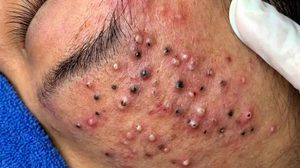
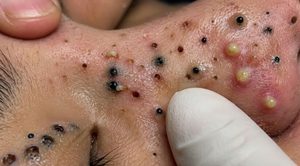
- Buildup: blackheads and plugs widen the pore and add dark color. See how to get rid of blackheads.
- Sun damage and aging: collagen loss reduces support around the pore, so it looks bigger and more droopy.
- Hair follicle size: thicker hair means a larger opening.
Myths: what does not work
Steaming to open pores
Pores have no muscles, so they cannot open or close. Steam softens skin temporarily but does not change pore size, and hot water can irritate skin.
Ice or cold water to close pores
Cold may briefly tighten the surface, but it has no lasting effect on pore size.
Pore strips and scrubs
They remove surface material, but the plug often returns within days, and repeated use can irritate and damage skin.
Toners that promise to “tighten”
Alcohol-based toners create a short-term tight feeling by drying the skin, which can lead to more oil in response.
What actually helps
1. Salicylic acid
BHA dissolves oil inside the pore, keeping it clear and slimmer in appearance. Use a 1% to 2% leave-on product a few times a week. Our guide to salicylic acid shows how.
2. Retinoids
Retinoids speed up skin renewal and boost collagen over time, which supports the skin around pores. Results take months, but they are among the best long-term options. See retinoids for acne.
3. Niacinamide
This ingredient reduces oil and improves skin texture, so pores appear less prominent. Read more in niacinamide for oily skin.
4. Sunscreen
UV damage breaks down collagen and elastin, so daily SPF 30+ helps protect pore appearance for the long run.
5. Gentle cleansing and clay
Cleanse twice daily with a gentle cleanser. A clay mask once a week can temporarily absorb oil and make pores look smoother.
Professional options
If home care is not enough, dermatologists offer treatments such as chemical peels, microneedling and certain laser or radiofrequency treatments. These can improve skin texture and reduce the appearance of pores, though results vary and several sessions are common. A professional will also help you pick a method that is safe for your skin tone.
A simple routine for visible pores
- Morning: gentle cleanser, niacinamide serum, oil-free moisturizer, SPF 30+.
- Evening: cleanse, then adapalene or salicylic acid on alternating nights, followed by moisturizer.
- Weekly: a clay mask on the T-zone if you like.
For the complete picture, our acne-prone routine goes into detail on timing and order.
Makeup tips for smoother-looking pores
A lightweight, silicone-based primer can fill the look of pores for a few hours, but it can also trap oil and clog pores in some people. Use it sparingly and always cleanse thoroughly at night. Oil-free foundations and setting powders applied lightly are usually the best choice for pore-prone areas.
How long until you see a difference?
Expect smoother texture after 4 to 6 weeks, and a noticeable change in pore appearance after 3 months. Remember that perfection is not realistic. Healthy skin has visible pores.
Pores on different areas of the face
The nose and inner cheeks tend to have the largest pores, because oil glands are bigger there. The forehead and chin follow. If your pores are mostly on the nose, a BHA applied just to that area is often the most efficient approach. For cheeks, where enlarged pores are more often linked to sun damage, daily sunscreen and a retinoid can make a bigger difference.
Lifestyle habits that support clear pores
- Remove makeup and sunscreen before bed, every night.
- Wash sweat from your face after workouts.
- Do not touch your face with unwashed hands, and clean your phone screen.
- Replace pillowcases weekly.
- Avoid very heavy, oil-rich products on areas that are prone to clogging.
Related video
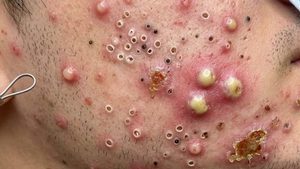
If you want to see how a professional clears congested pores, watch this extraction video. It is a good example of why patient, gentle care beats squeezing at home.
Frequently asked questions
Can pores shrink permanently?
Not by size, but they can look smaller when clean, when oil is controlled and when skin is healthy.
Why are my nose pores so noticeable?
The nose has large oil glands and often fills with blackheads. Regular BHA and a retinoid help.
Do pores get bigger with age?
They can look bigger as collagen decreases, and sun damage speeds this up. Protect your skin with SPF.
Is it good to squeeze pores?
No. Squeezing can stretch the pore and cause marks. See why you should not pop pimples.
When to see a dermatologist
If you have very enlarged pores with deep acne, scarring or sudden changes in skin texture, ask a dermatologist for advice. This article is general information, not personal medical advice.