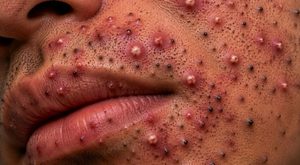
Almost everyone has been tempted to squeeze a pimple, especially right before an event. It feels like a quick fix. But dermatologists consistently advise against it, and for good reasons that go beyond appearance.
This article explains what happens to your skin when you pop a pimple, why the results often get worse before they get better, and what you can do instead when a spot appears at the worst possible time.
Quick answer: should you pop a pimple?
- No. Squeezing can push bacteria and debris deeper into the skin.
- It often makes the spot redder, larger and slower to heal.
- It raises the risk of dark marks, pitted scars and infection.
- Better options: a hydrocolloid patch, a small amount of benzoyl peroxide or salicylic acid, and patience.
- Deep, painful bumps should be treated by a dermatologist, never squeezed.
What happens inside the skin when you squeeze
A pimple is a clogged pore with inflammation around it. The walls of the pore are thin, especially when the spot is already inflamed. When you apply pressure with your fingers, the wall can break below the surface. Instead of coming out, the contents spread into the surrounding tissue.
The body responds with more inflammation. That means more redness, more swelling and a longer healing time. Even if the surface looks flatter for a moment, the spot underneath may be worse.
The real risks of popping
Scarring and dark marks
Skin that has been damaged by squeezing often heals with a lasting dark or red mark, known as post-inflammatory hyperpigmentation or erythema. In some cases the damage reaches deeper layers and leaves a small pit. Learn how marks fade in our guide to fading acne marks.
Infection
Hands carry bacteria, and broken skin is an easy entry point. Signs of infection include spreading redness, warmth, increasing pain, and honey-colored crusting. The area around the nose and upper lip has a rich blood supply, so swelling or fever after picking there should be checked by a doctor promptly.
More breakouts
Spreading bacteria and oil can lead to new pimples nearby. Constant touching also transfers more oil and dirt from your hands to your face.
Pimple, cyst or something else?
A small surface pimple with a white tip is the type people most often squeeze. Deep, tender lumps without a visible head are different. They sit far below the surface and cannot be squeezed out at all. If that sounds like your skin, read how to tell cystic acne from a regular pimple.
What to do instead
- Apply a hydrocolloid patch. These small, clear patches protect the spot, absorb fluid and stop you from touching it. They work best on spots that already have a head.
- Use a targeted treatment. A small dab of 2.5% to 5% benzoyl peroxide or a salicylic acid spot treatment helps calm the spot.
- Use a warm compress for a few minutes if the spot is tender. It increases comfort and can help it settle naturally.
- Leave it alone. Most pimples fade in 3 to 7 days when untouched.
- Cover with a clean, non-comedogenic concealer if needed, applied with a clean brush or sponge.
Why extraction videos are not a how-to
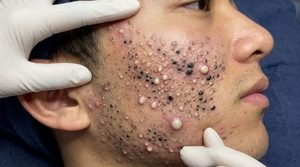
Some people find extraction videos satisfying to watch. If you are one of them, remember that professionals use sterile tools, good lighting, trained technique and care for the skin afterwards. That is very different from a quick squeeze in the bathroom mirror. If you want to see the careful, controlled version, you can watch a professional-style extraction video, and leave real-life treatment to qualified hands.
Does the pimple heal faster if you pop it?
This is the most common reason people squeeze, and it is largely a myth. A pimple that is left alone follows a predictable path: it forms, comes to a head, and then settles as the body clears the inflammation. When you interrupt that process with pressure, the body has to deal with the original problem and the new injury. Studies and clinical experience both suggest that picked spots take longer to heal and are more likely to leave marks than spots that are treated gently.
The one thing that does speed things along is the right kind of treatment. Ingredients such as benzoyl peroxide, salicylic acid and adapalene reduce the bacteria, oil and plugging that cause new spots. For a full plan, see our acne-prone skin routine.
If you have already popped a pimple
It happens. Wash your hands, rinse the area gently with lukewarm water, and keep it clean and moisturized. Avoid harsh products on open skin. Our guide on what to do after popping a pimple explains each step.
How to stop the urge
- Avoid magnifying mirrors and bright bathroom lighting when you check your skin.
- Keep your hands busy. A stress ball or a fidget toy can help.
- Trim your nails short so they do less damage if you do touch.
- Apply patches at night so your fingers stay away.
- If picking feels compulsive, speak to your doctor. Skin picking is a recognized condition and support is available.
Frequently asked questions
Is it ever okay to pop a pimple?
Dermatologists generally advise against it. If a pimple has a clear white head and is ready to drain, a professional can do it safely. At home, patches are a safer choice.
Does toothpaste dry out pimples?
No. Toothpaste contains ingredients that can burn or irritate skin. Use a proper spot treatment instead.
How long does a pimple take to heal if I leave it alone?
Typically 3 to 7 days for a small one. Deeper spots can take weeks.
Do hydrocolloid patches really work?
They help surface pimples with a head by absorbing fluid and protecting the area. They are less useful for deep bumps.
When to see a dermatologist
If you get frequent painful pimples, deep lumps that last for weeks, or you notice scarring, see a dermatologist. Early treatment protects your skin from long-term marks. This article is general information, not personal medical advice.