Even after a breakout has healed, it often leaves something behind: a dark spot, a red patch or a small dent. These marks can be more frustrating than the pimples themselves, and they can last for months if you do not treat them.
The key is knowing which type of mark you have, because they are treated differently. This guide explains the three main types, what helps each one, and how long to expect fading to take.
Quick answer: how to fade acne marks
- Wear broad-spectrum SPF 30 or higher every day. This is the single most important step.
- For brown or dark marks, use niacinamide, azelaic acid, vitamin C or a retinoid.
- For red or pink marks, be patient, protect from sun and use soothing ingredients; some need in-office treatments.
- Do not pick at spots, since picking creates more marks.
- Pitted or indented scars need professional treatment and do not fade with creams.
The three types of acne marks
1. Post-inflammatory hyperpigmentation (PIH)
Flat brown, dark brown or grayish spots. They appear after inflammation triggers extra pigment production. PIH is especially common in medium to dark skin tones, and sun exposure makes it darker. It can take 3 to 24 months to fade without treatment.
2. Post-inflammatory erythema (PIE)
Flat red, pink or purplish marks, caused by damaged or widened tiny blood vessels. They are more common in lighter skin tones. They often fade more slowly with typical brightening products because the color is vascular, not pigment.
3. Atrophic scars
True scars, where the skin has lost tissue. They look like small pits or rolling dents: icepick, boxcar or rolling types. These do not respond to creams alone. If you have them, see a dermatologist.
What helps dark marks (PIH)
- Sunscreen: prevents marks from darkening. See sunscreen for acne-prone skin.
- Niacinamide (2% to 5%): can limit pigment transfer. See niacinamide for oily skin.
- Azelaic acid (10% to 20%): treats acne and fades marks, with a good safety record, including for darker skin.
- Vitamin C: an antioxidant that supports brightening when used in the morning under sunscreen.
- Retinoids: speed up cell turnover. See retinoids for acne.
- Gentle AHAs: lactic or mandelic acid for smoother tone, used cautiously.
- Hydroquinone: a prescription lightener that should be used only under a doctor’s supervision and for limited periods.
What helps red marks (PIE)
There is less evidence for topical products on red marks. Sun protection stops them from getting darker. Niacinamide and azelaic acid may calm redness. Some people see improvement with time alone over several months. Dermatologists can use vascular lasers or light therapy to treat persistent redness, which typically works more effectively than creams.
What helps indented scars
Treatment is in-office and tailored to scar type:
- Microneedling stimulates collagen and can soften shallow scars.
- Chemical peels help with superficial marks and mild texture issues.
- Laser resurfacing can improve texture and tone.
- Subcision and fillers may help certain rolling scars.
Results build over several sessions. If you have darker skin, choose a provider experienced with your skin tone, because some energy-based treatments can trigger more pigmentation.
A simple at-home plan for dark marks
- Morning: gentle cleanser, vitamin C or niacinamide, moisturizer, SPF 30+.
- Evening: cleanser, then adapalene or azelaic acid, then moisturizer.
- Weekly: a mild exfoliant on non-retinoid nights, as described in how to exfoliate your face safely.
Introduce one product at a time and keep it up for at least 12 weeks.
How to prevent new marks
The best way to avoid marks is to treat acne early and to avoid squeezing. Damage from picking is a leading cause of lasting marks and scars. If you already have a spot, see why you should not pop pimples for safer alternatives.
What does not work
- Lemon juice and DIY bleaching: it can burn skin and darken marks.
- Strong peels at home: high risk of irritation and more pigmentation.
- Frequent scrubbing: irritation increases pigment.
- Dermarollers with unsafe technique: risk of infection and scarring.
How long will it take?
With sunscreen and a good routine, many dark marks fade noticeably in 3 to 6 months, and some take up to 1 or 2 years. Red marks may fade in 3 to 12 months. True scars do not disappear on their own, but treatments can improve them. Patience and consistency are crucial.
Quick comparison: which mark do you have?
- Brown or gray, flat: PIH. Treated with sunscreen, azelaic acid, niacinamide, retinoids.
- Red or pink, flat: PIE. Needs time, sun protection and sometimes laser.
- Pitted or dented: scars. Need professional treatment.
A simple test is the glass test: gently press a clear glass against the mark. If the redness disappears under pressure, it is likely vascular (PIE). If it stays brown, it is pigment (PIH). When unsure, a dermatologist can tell you quickly.
Related video
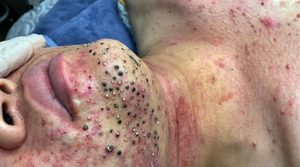
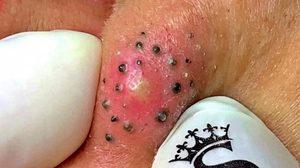
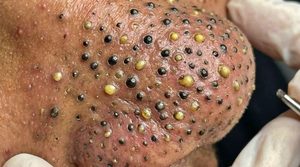
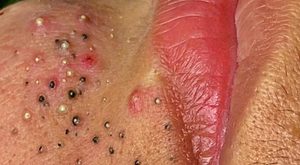
To see how professionals clear congested skin before treating marks, watch this extraction video.
Frequently asked questions
Will acne marks go away on their own?
Most flat marks do fade with time, but protecting your skin from the sun and using suitable products speeds it up.
Are acne marks and acne scars the same?
No. Marks are flat color changes. Scars are changes in skin texture, such as pits or dents.
Can I use vitamin C with retinol?
Yes, at different times of day. Vitamin C in the morning and the retinoid at night works well for most people.
Does toothpaste or baking soda fade marks?
No. They can irritate and damage skin, and make marks worse.
Are marks worse in darker skin?
Darker skin is more likely to develop dark marks (PIH), so early acne control and daily SPF matter even more.
When to see a dermatologist
See a dermatologist if marks last longer than six months, if you have indented scars, or if you want prescription or in-office treatment. Early acne control prevents more marks. This article is general information, not personal medical advice.