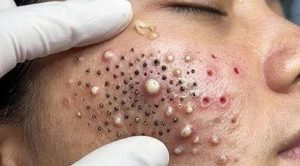
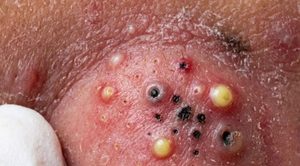
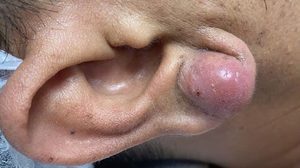
Whiteheads are small, flesh-colored or white bumps that sit just under the surface of the skin. They are common on the forehead, chin and cheeks, and they tend to appear in the same spots again and again.
Unlike blackheads, whiteheads are closed, which means the pore is sealed over the top. That changes how you should treat them. This guide explains why they form, which ingredients help, and how to tell them apart from similar-looking bumps.
Quick answer: how to get rid of whiteheads
- Use a retinoid such as adapalene 0.1% at night to stop pores from sealing over.
- Add a gentle chemical exfoliant (salicylic acid, or lactic or glycolic acid) a few times a week.
- Consider benzoyl peroxide 2.5% to 5% if the bumps are red or inflamed.
- Switch to lightweight, non-comedogenic moisturizers and sunscreens.
- Do not pick or squeeze. Whiteheads heal faster and scar less when left alone.
What are whiteheads?
A whitehead is a closed comedone. A pore fills with oil and dead skin cells, but instead of staying open to the air like a blackhead, the surface closes over it. Because there is no air exposure, the plug stays white or skin-toned.
Common triggers include oily skin, hormonal changes, heavy skin care or makeup, sweat that sits on the skin, friction from helmets or masks, and shaving irritation. If you want to understand the dark version of the same problem, read our guide on how to get rid of blackheads.
Whiteheads or milia?
Tiny, hard, pearl-like bumps that appear around the eyes and cheeks are often milia, not whiteheads. Milia are small pockets of trapped keratin under the skin. They do not respond to normal acne treatments and usually clear on their own over weeks or months. If they bother you, a dermatologist can remove them safely. Avoid trying to dig them out yourself.
What helps whiteheads most
Retinoids
Adapalene is the first-line choice. It normalizes how skin cells shed so pores do not seal. Apply a thin layer to the whole area, not only the bumps, two to three nights a week at first. Our guide to retinoids for acne explains how to ramp up.
Salicylic acid and other exfoliants
BHA works inside the pore. AHAs such as lactic or glycolic acid work on the surface and help loosen the “lid” over a whitehead. Use one exfoliant at a time, one to three times a week. More is not better.
Benzoyl peroxide
If your whiteheads are red or surrounded by small inflamed pimples, a 2.5% to 5% benzoyl peroxide wash or gel can reduce acne-causing bacteria and inflammation. You can read more in our benzoyl peroxide guide.
Daily habits that make a difference
- Wash your face after heavy sweating, ideally within 30 minutes of a workout.
- Change pillowcases once or twice a week.
- Keep hair products and oils off the forehead and hairline.
- Choose “oil-free” or “non-comedogenic” on the label, while remembering that no label is a guarantee.
- Clean makeup brushes and phone screens regularly.
Why you should not squeeze whiteheads
Because a whitehead has no natural opening, squeezing means forcing the plug through skin, which causes small injuries. This can push material deeper, trigger inflammation and leave a dark mark that takes months to fade. Watching how trained professionals work, such as in a whitehead extraction video, shows how much preparation and technique is involved. It is not a good template for home use.
Choosing products that will not clog pores
Whiteheads often come from products that sit heavily on the skin. Rich creams, thick sunscreens, silicone-heavy primers and oil-based cleansers can all contribute in people who are prone to clogging. You do not need to avoid them all, but if you notice new bumps one to three weeks after introducing something, that product is a suspect. Introduce one new item at a time so you can tell what causes what.
Gel and lightweight lotion textures are usually the safest choice for the forehead and chin. Remove makeup and sunscreen fully in the evening, using a gentle cleanser, and avoid leaving heavy products on overnight unless your dermatologist recommends them.
What to expect if you use exfoliating acids
Chemical exfoliants can make whiteheads look smoother within a couple of weeks because they loosen the dead skin cells sitting on top of the pore. Start with a low strength and test on a small area for two or three days. Mild tingling is normal. Burning, swelling or lasting redness means you should stop and rinse. Always use sunscreen the next morning, because exfoliated skin is more sensitive to sunlight.
How long until they clear?
Expect 6 to 12 weeks for visible improvement. In the first few weeks with a retinoid, you may notice a temporary increase in bumps as older plugs surface. This is common and usually settles by week 6. If your skin burns, peels heavily or swells, stop and speak to a pharmacist or dermatologist.
Frequently asked questions
Why do I keep getting whiteheads in the same place?
Pores in certain areas are more prone to clogging because of oil gland activity, friction or product buildup. Targeted treatment of the whole area, not only individual bumps, helps prevent repeats.
Can I use salicylic acid and a retinoid together?
Many people can, but start on separate nights. Using both on the same evening can cause dryness and stinging.
Do whiteheads leave scars?
Untouched whiteheads rarely do. Picking is what causes marks and scars.
Are whiteheads a sign of poor hygiene?
No. They are driven by oil, skin cell turnover and hormones, not by dirt.
When to see a dermatologist
If whiteheads are widespread, keep returning after 12 weeks of treatment, or come with painful deep bumps, book a dermatologist. Prescription treatments are more effective than over-the-counter options for persistent cases. This article is general information, not personal medical advice.